The iReady Diagnostic is a computer-based assessment used in schools to evaluate students’ academic skills in reading and mathematics. It helps teachers understand where students are in their learning journey and what support they might need. If you’re a student, parent, or teacher wondering what is a good iready diagnostic score for 7th grade math, this post breaks it down clearly.
Understanding iReady Diagnostic Scores
How iReady Scoring Works
The iReady Diagnostic assigns a scaled score based on a student’s performance. This score is not a percentage but a number that places students on a continuum of skills. The scores typically range from around 100 to 800+, with higher numbers indicating more advanced skills.
iReady breaks down scores into performance levels such as:
- Mid or Above Grade Level
- Early On Grade Level
- One Grade Below
- Two or More Grades Below
These levels help identify how close a student is to mastering grade-level content.
Growth Over Time
It’s important to note that the iReady Diagnostic is given multiple times throughout the school year—usually in the fall, winter, and spring. A single score gives a snapshot, but growth between assessments shows progress.
Good iReady Scores for 7th Grade
Typical Score Range
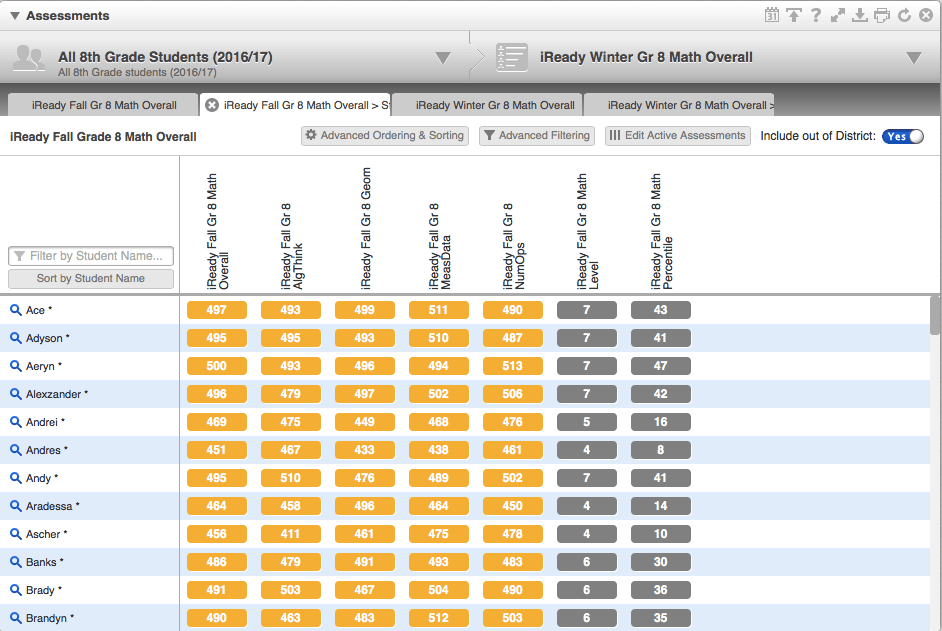
For 7th-grade students, a good iReady Diagnostic score in Reading usually falls between 580 and 620 by the end of the year. In Math, a good score is typically around 590 to 630.
Students who score:
- Below 570 may be considered below grade level
- 570–589 might be early on grade level or approaching
- 590 and above are likely on or above grade level
Remember, these ranges may vary slightly by district or school. Always consult your school’s guidelines for precise expectations.
What a Good Score Means for 7th Graders
A good score indicates that a student is either meeting or exceeding the grade-level standards. If a 7th grader scores in the 600s in both reading and math, they are likely well-prepared for more advanced coursework and standardized tests in the future.
Good iReady Scores for 8th Grade
Typical Score Range
For 8th-grade students, a good iReady score in Reading is usually between 600 and 640 by the end of the school year. In Math, a strong score ranges from 610 to 660.
Students who score:
- Below 600 may need extra support to meet grade-level expectations
- 600–619 may be near or on grade level
- 620 and above suggest the student is mastering or exceeding grade-level content
These benchmarks are based on national averages but can vary based on your school district’s curriculum and expectations.
What a Good Score Means for 8th Graders
Scoring well in 8th grade is especially important because it signals readiness for high school coursework. A strong iReady score means a student has mastered foundational skills needed for subjects like algebra, critical reading, and essay writing.
How to Help Students Improve Their iReady Scores
Regular Practice and Reading
Students can boost their scores by reading daily and practicing math problems regularly. Using the iReady online lessons assigned after diagnostics can also directly help improve weak areas.
Targeted Support from Teachers
Teachers can use diagnostic results to personalize instruction. Students performing below grade level can benefit from small group instruction, tutoring, or individualized lesson plans.
Set Realistic Growth Goals
Rather than focusing only on hitting a specific number, students should aim to grow steadily over the year. iReady provides typical and stretch growth goals that help track progress in a meaningful way.
Why iReady Scores Matter
iReady scores provide more than just a number—they offer insight into a student’s academic strengths and weaknesses. When interpreted correctly, these scores can help guide instruction, measure growth, and set students up for success in higher grades.
However, it’s important to remember that one test score doesn’t define a student’s full potential. Confidence, effort, and a love of learning play a huge role in long-term academic success.
Final Thoughts
A good iReady Diagnostic score for 7th and 8th grade generally means that a student is performing at or above grade level. For 7th graders, that often looks like scoring in the 580–630 range, and for 8th graders, somewhere between 600 and 660. These scores should be viewed in the context of growth and development, not as final judgments.
If you’re a student, focus on doing your best and making consistent progress. If you’re a parent or teacher, use the data to support learning, celebrate growth, and set realistic goals. Ultimately, success is about moving forward—and iReady is just one tool to help you get there.

 What is a Good iReady Diagnostic Score for 7th and 8th Grade